Introduction
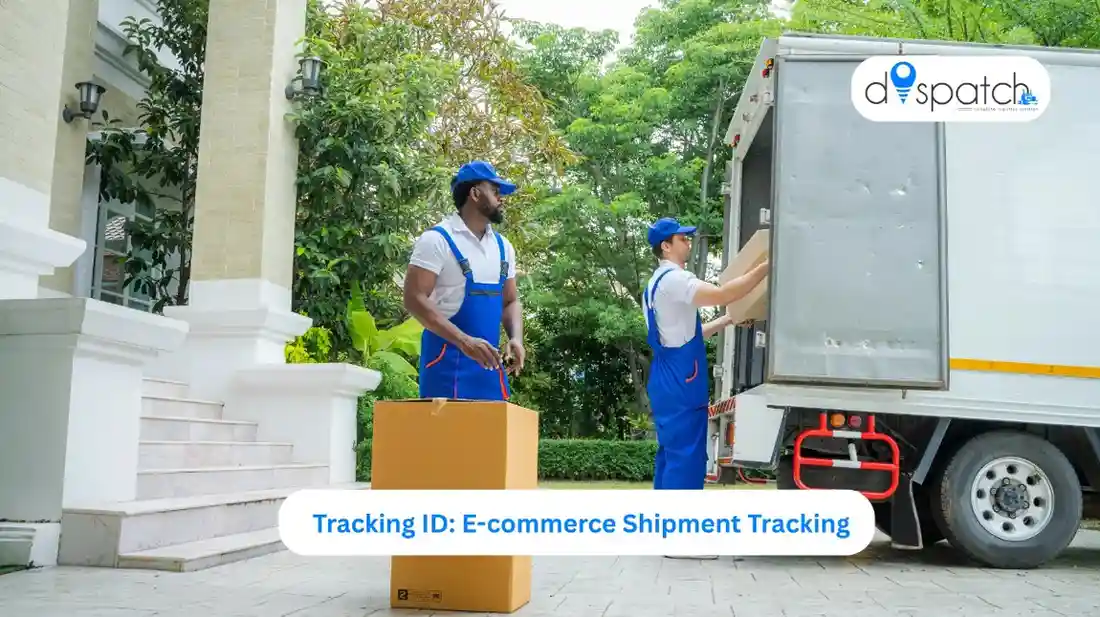
In today's competitive e-commerce landscape, customers expect complete transparency throughout the shipping process. From the moment an order is placed until it reaches the customer's doorstep, buyers want real-time updates on their shipment's progress. One of the most important tools that makes this possible is the tracking ID.
A tracking ID is a unique identifier assigned to every shipment, allowing logistics companies, online retailers, and customers to monitor a package at every stage of its journey. Whether the shipment is traveling across the city or across the globe, the tracking ID provides accurate updates that improve visibility and build customer confidence.
For logistics companies, a tracking ID is more than just a sequence of numbers and letters. It serves as the backbone of modern shipment management by enabling efficient package tracking, reducing customer inquiries, improving operational efficiency, and supporting data-driven decision-making.
As e-commerce continues to grow, businesses must deliver not only products but also exceptional customer experiences. Real-time shipment tracking powered by tracking IDs has become an essential component of that experience.
This comprehensive guide explains everything logistics companies need to know about tracking IDs, including how they work, their benefits, key technologies, best practices, common challenges, and future trends in e-commerce shipment tracking.
What Is a Tracking ID?
A tracking ID is a unique alphanumeric code assigned to a package when it is shipped. This identifier enables postal services, courier companies, and logistics providers to record and monitor the movement of the shipment from origin to destination.
Every time the package reaches a warehouse, sorting center, transportation hub, customs checkpoint, or delivery vehicle, the tracking ID is scanned and updated in the carrier's system.
Customers can enter the tracking ID on a carrier's website or an e-commerce tracking page to view the latest shipment status.
How a Tracking ID Works
A tracking ID follows the shipment throughout its delivery journey.
Shipment Creation
Once an order is confirmed, the seller prepares the package and generates a shipping label containing a unique tracking ID and barcode.
Carrier Pickup
The logistics provider collects the package and scans the tracking ID, creating the first shipment update.
Sorting Facilities
As the package moves through automated sorting centers, barcode scanners update the shipment's location and status.
Transportation
The package is transported between distribution hubs using trucks, airplanes, trains, or ships. Every major checkpoint records a new tracking event.
Local Delivery Center
After arriving at the destination city, the shipment reaches the local delivery office where it is prepared for final delivery.
Successful Delivery
The final scan confirms the package has been delivered, often including the delivery date, time, and proof of delivery.
Why Tracking IDs Matter in E-commerce
Customers want accurate shipping information and timely updates. A tracking ID helps businesses provide both.
Benefits include:
Improved customer confidence
Fewer "Where is my order?" inquiries
Better delivery transparency
Faster issue resolution
Reduced shipping disputes
Improved logistics performance
For logistics companies, tracking IDs also provide valuable shipment data that helps optimize operations and improve service quality.
Benefits of Using a Tracking ID
Real-Time Shipment Visibility
A tracking ID enables customers and logistics teams to monitor shipments from dispatch to delivery.
Better Customer Experience
Customers appreciate receiving regular shipment updates, which reduces uncertainty and increases satisfaction.
Reduced Customer Support Requests
Since customers can independently check shipment progress, businesses receive fewer inquiries regarding delivery status.
Improved Operational Efficiency
Logistics managers can monitor thousands of shipments simultaneously, identify delays, and coordinate resources more effectively.
Enhanced Delivery Accuracy
Continuous scanning throughout the shipping process minimizes errors and improves package handling.
Increased Customer Trust
Transparent shipment updates help build confidence in the retailer and encourage repeat purchases.
Performance Monitoring
Tracking data helps logistics companies evaluate carrier performance, delivery times, and operational efficiency.
Key Features of Modern Tracking ID Systems
Today's shipment tracking systems provide much more than basic location updates.
Common features include:
Real-time tracking
Automated shipment notifications
Delivery confirmations
Estimated delivery dates
Exception alerts
Proof of delivery
Multi-carrier support
Mobile tracking
Shipment history
API integrations
These features improve both customer experience and logistics management.
Tracking IDs and E-commerce Platforms
Modern e-commerce platforms integrate seamlessly with shipment tracking systems.
Popular integrations include:
Shopify
WooCommerce
Magento
BigCommerce
Amazon
eBay
These integrations automatically generate tracking IDs, update order statuses, and notify customers without manual intervention.
Technologies Behind Tracking IDs
Several technologies support modern shipment tracking.
Barcode Scanning
Barcodes linked to tracking IDs are scanned throughout the shipping journey to record package movements.
GPS Tracking
GPS enables real-time vehicle monitoring and improves delivery visibility.
RFID Technology
RFID tags allow packages to be tracked automatically without direct barcode scanning.
Cloud Computing
Cloud-based systems provide instant access to shipment information from any location.
Artificial Intelligence
AI predicts delivery delays, optimizes shipping routes, and enhances logistics planning.
Internet of Things (IoT)
IoT devices monitor shipment conditions such as temperature, humidity, and package handling.
Challenges of Tracking ID Systems
Although highly effective, tracking systems can face several challenges.
Delayed Updates
Tracking information may not refresh immediately if a package has not been scanned recently.
International Shipping Delays
Customs inspections and international regulations can temporarily interrupt tracking updates.
Lost or Damaged Packages
Tracking IDs help identify the shipment's last known location but cannot completely eliminate shipping risks.
Carrier Compatibility
Businesses working with multiple carriers may need centralized tracking platforms to standardize shipment information.
Best Practices for Logistics Companies
To maximize the benefits of tracking IDs:
Generate tracking IDs immediately after shipment creation.
Send automatic email and SMS notifications.
Integrate tracking with e-commerce platforms.
Monitor shipment exceptions daily.
Analyze carrier performance regularly.
Keep customers informed about delays.
Provide branded tracking portals.
Use shipment analytics to improve operations.
These practices improve customer satisfaction while strengthening logistics performance.
Measuring Tracking Performance
Logistics companies should regularly monitor key performance indicators (KPIs).
Important metrics include:
On-time delivery rate
Average shipping time
Tracking accuracy
Delivery success rate
Customer satisfaction score
Exception rate
Customer support requests
Return shipment percentage
Monitoring these KPIs helps businesses identify improvement opportunities.
Future Trends in Tracking ID Technology
Shipment tracking continues to evolve alongside logistics technology.
AI-Powered Delivery Predictions
Artificial intelligence will provide increasingly accurate estimated delivery times based on historical shipping data.
Blockchain Security
Blockchain technology will improve shipment transparency and reduce fraud by creating secure tracking records.
Autonomous Deliveries
Delivery drones and autonomous vehicles will integrate with tracking systems for faster last-mile fulfillment.
Predictive Analytics
Advanced analytics will identify shipping risks before delays occur.
Sustainable Logistics
Tracking systems will help businesses measure environmental impact and optimize eco-friendly delivery routes.
How Tracking IDs Benefit Logistics Companies
Tracking IDs provide logistics companies with valuable operational insights.
Advantages include:
Better shipment visibility
Improved warehouse coordination
Faster issue resolution
Enhanced carrier management
Accurate shipment reporting
Better customer communication
Data-driven operational improvements
These benefits make tracking IDs a critical component of successful e-commerce fulfillment.
Conclusion
As online shopping continues to expand, shipment visibility has become a key factor in customer satisfaction. A tracking ID enables logistics companies and e-commerce businesses to provide accurate, real-time shipment updates that improve transparency, reduce customer inquiries, and enhance delivery performance.
From barcode scanning and GPS tracking to AI-powered logistics systems, modern tracking technologies allow businesses to monitor shipments more efficiently than ever before. By implementing robust tracking ID systems and following best practices, logistics companies can streamline operations, strengthen customer trust, and gain a competitive advantage in the fast-paced world of e-commerce.
Whether managing hundreds or thousands of daily shipments, an effective tracking ID system is essential for delivering reliable, efficient, and customer-focused logistics services.
Frequently Asked Questions (FAQs)
Que: What is a tracking ID?
Ans: A tracking ID is a unique alphanumeric code assigned to a shipment that allows customers and logistics providers to monitor its progress from dispatch to delivery.
Que: How does a tracking ID improve e-commerce shipment tracking?
Ans: It provides real-time shipment updates, improves delivery visibility, reduces customer support inquiries, and enhances the overall customer experience.
Que: Can customers use a tracking ID to check shipment status?
Ans: Yes. Customers can enter the tracking ID on the carrier's website or the retailer's tracking page to view the latest shipment updates.
Que: What technologies support tracking ID systems?
Ans: Modern tracking systems use barcode scanning, GPS, RFID, cloud computing, artificial intelligence (AI), and IoT devices to provide accurate shipment information.
Que: Why are tracking IDs important for logistics companies?
Ans: Tracking IDs improve shipment visibility, streamline operations, monitor carrier performance, reduce delivery issues, and help logistics companies deliver better service to e-commerce businesses.