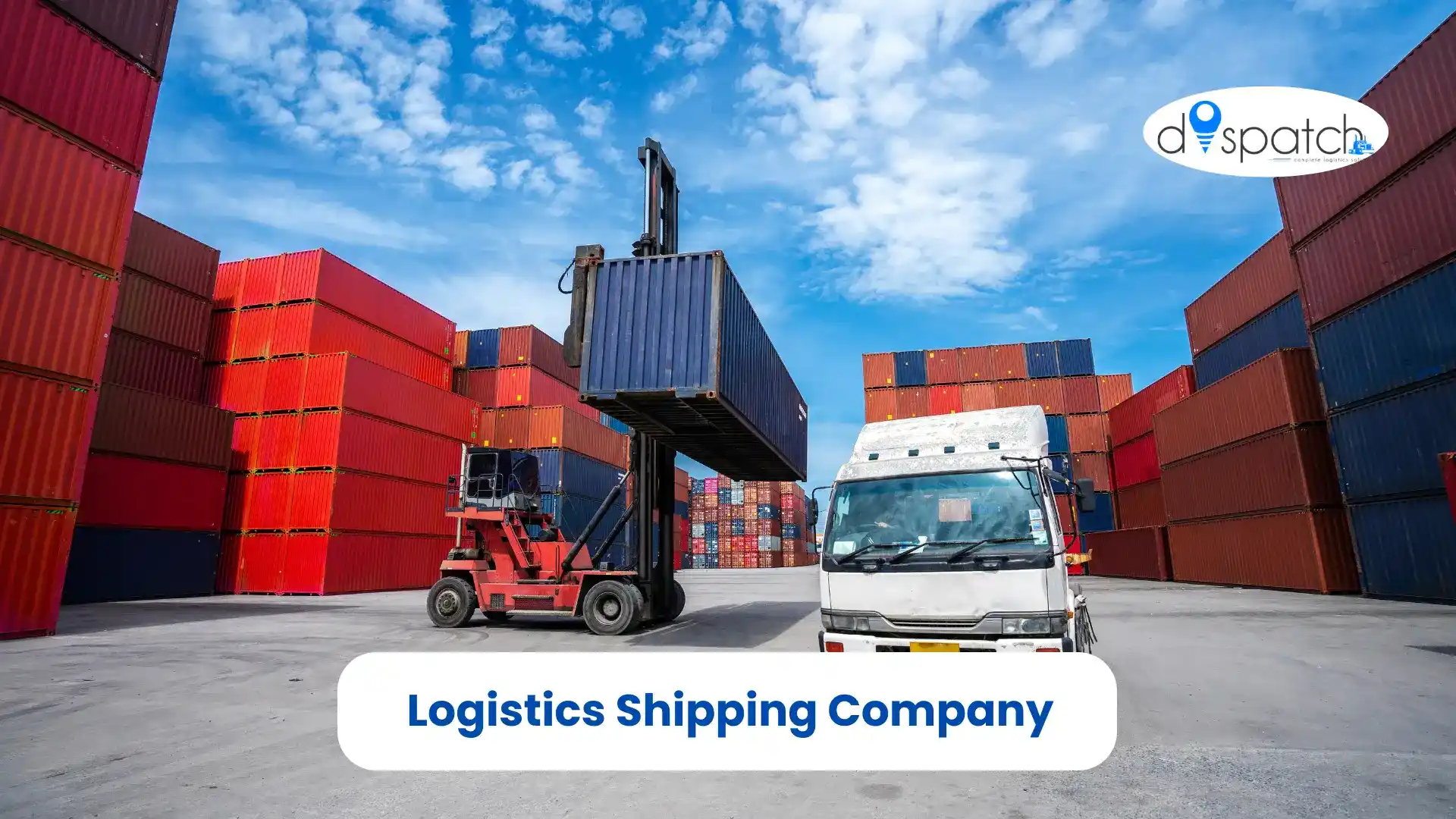
Introduction
In today’s fast-moving business world, every company depends on smooth transportation and timely deliveries. Whether a business ships products locally, nationally, or internationally, efficient logistics plays a critical role in customer satisfaction and operational success. A professional logistics shipping company helps businesses move goods safely, quickly, and cost-effectively across different regions.
From ecommerce brands and manufacturers to wholesalers and retailers, companies rely on logistics providers for transportation, inventory handling, warehousing, and delivery management. Modern logistics services have become more advanced than ever, integrating technology, automation, real-time tracking, and supply chain optimization to meet growing customer expectations.
The rise of online shopping, same-day delivery expectations, and global trade has increased the importance of reliable logistics networks. Businesses now require dependable shipping partners capable of managing large shipment volumes, reducing delays, and improving delivery accuracy.
A logistics shipping company not only transports products from one place to another but also helps businesses optimize their entire supply chain. Efficient logistics services reduce operational costs, improve inventory management, minimize shipping delays, and enhance customer trust.
This comprehensive guide explains everything about logistics shipping companies, including their services, benefits, shipping methods, warehousing solutions, ecommerce logistics, challenges, trends, and how businesses can select the right logistics partner.
What Is a Logistics Shipping Company?
A logistics shipping company is a business that manages the transportation, storage, handling, and delivery of goods for individuals and organizations. These companies specialize in coordinating supply chain activities to ensure products move efficiently from suppliers to customers.
Logistics shipping companies handle multiple operations, including:
Freight transportation
Parcel delivery
Warehousing
Inventory management
Packaging
Order fulfillment
Last-mile delivery
International shipping
Customs clearance
Their main objective is to simplify product movement while reducing transportation costs and improving delivery performance.
Businesses across industries use logistics providers to ensure their products reach customers safely and on time. Industries commonly using logistics shipping services include:
Ecommerce
Manufacturing
Retail
Healthcare
Automotive
Electronics
Fashion
Food and beverage
Pharmaceuticals
Importance of a Logistics Shipping Company
A logistics shipping company serves as the backbone of supply chain management. Without efficient logistics systems, businesses may face delays, inventory shortages, damaged products, and dissatisfied customers.
Here are the key reasons why logistics shipping companies are important.
Faster Product Delivery
Customers expect quick deliveries. Logistics companies use optimized transportation routes, warehouse networks, and delivery systems to reduce shipping times.
Cost Reduction
Professional logistics planning reduces transportation expenses, storage costs, and operational inefficiencies.
Better Inventory Management
Warehousing and inventory tracking systems help businesses maintain proper stock levels and avoid overstocking or shortages.
Improved Customer Satisfaction
Timely deliveries, real-time tracking, and safe handling improve customer trust and retention.
Business Scalability
Companies can expand into new markets without investing heavily in transportation infrastructure.
Global Trade Support
International logistics companies manage customs documentation, import-export regulations, and cross-border shipping processes.
Core Services Offered by a Logistics Shipping Company
Modern logistics providers offer a wide range of services to meet the needs of businesses of all sizes.
Freight Transportation
Freight transportation involves moving goods through various modes, including:
Road transport
Rail transport
Air freight
Ocean freight
Freight services can handle both small and bulk shipments.
Road Freight
Road transportation is one of the most common logistics methods for domestic deliveries. Trucks and vans transport products between warehouses, distribution centers, and customers.
Benefits include:
Flexible delivery schedules
Door-to-door shipping
Faster regional transportation
Air Freight
Air freight is ideal for urgent or high-value shipments.
Advantages include:
Fast international delivery
Secure transportation
Reduced transit time
However, air freight is more expensive compared to other transportation methods.
Sea Freight
Sea freight is widely used for international bulk shipping.
Benefits include:
Cost-effective large-volume shipping
International trade support
Suitable for heavy cargo
Rail Freight
Rail transportation is useful for long-distance cargo movement.
Advantages include:
Lower fuel consumption
Reliable transit schedules
Cost-efficient bulk transport
Warehousing and Storage Solutions
Warehousing is a major component of logistics operations. Logistics shipping companies provide secure storage facilities for inventory management.
Warehousing services include:
Inventory storage
Temperature-controlled storage
Distribution center management
Packaging and labeling
Stock monitoring
Modern warehouses use advanced systems like:
Barcode scanning
RFID tracking
Warehouse management software
Automated inventory systems
Efficient warehousing helps businesses maintain organized inventory and faster order processing.
Ecommerce Logistics Services
The ecommerce industry depends heavily on logistics shipping companies for smooth order fulfillment.
Ecommerce logistics services include:
Order processing
Inventory management
Packaging
Shipping
Returns management
Last-mile delivery
Online shoppers expect fast and transparent deliveries. Logistics providers help ecommerce businesses meet these expectations with real-time tracking and efficient delivery systems.
Same-Day and Next-Day Delivery
Fast delivery services are becoming increasingly popular in ecommerce logistics.
Benefits include:
Improved customer experience
Higher conversion rates
Better customer retention
Reverse Logistics
Reverse logistics manages product returns and exchanges.
It includes:
Pickup of returned products
Quality inspection
Restocking
Refund processing
Efficient reverse logistics improves customer satisfaction and minimizes losses.
Supply Chain Management in Logistics Shipping
Supply chain management involves coordinating every stage of product movement from raw materials to final delivery.
A logistics shipping company helps optimize supply chain operations through:
Transportation planning
Inventory control
Demand forecasting
Distribution management
Supplier coordination
Efficient supply chains reduce delays, improve productivity, and lower operational costs.
Role of Technology in Modern Logistics Shipping
Technology has transformed the logistics industry. Modern logistics shipping companies use advanced digital tools to improve efficiency and transparency.
Real-Time Shipment Tracking
GPS and tracking systems allow businesses and customers to monitor shipments in real time.
Benefits include:
Delivery transparency
Better communication
Reduced uncertainty
Warehouse Automation
Automated warehouse systems improve order accuracy and reduce labor costs.
Examples include:
Robotic sorting
Automated picking systems
Conveyor systems
Artificial Intelligence
AI helps logistics companies optimize routes, predict demand, and improve delivery efficiency.
Cloud-Based Logistics Software
Cloud platforms help businesses manage shipments, inventory, and transportation data from anywhere.
Data Analytics
Analytics tools provide insights into:
Delivery performance
Customer behavior
Inventory trends
Last-Mile Delivery Solutions
Last-mile delivery refers to the final step of delivering products to customers.
It is one of the most critical and expensive stages of logistics operations.
Challenges in last-mile delivery include:
Traffic congestion
Delivery delays
Failed deliveries
High fuel costs
Logistics shipping companies use route optimization and local delivery networks to improve last-mile efficiency.
Importance of Last-Mile Delivery
Efficient last-mile delivery improves:
Customer satisfaction
Delivery speed
Brand reputation
Repeat purchases
International Logistics Shipping Services
Global trade requires specialized logistics support for cross-border transportation.
International logistics services include:
Customs clearance
Freight forwarding
Import-export documentation
International warehousing
Cargo insurance
Customs Clearance
Customs regulations vary by country. Logistics providers help businesses manage customs documentation and duties.
Freight Forwarding
Freight forwarders coordinate international cargo transportation between suppliers, carriers, and customers.
Benefits of Hiring a Logistics Shipping Company
Businesses gain numerous advantages by outsourcing logistics operations.
Reduced Operational Burden
Logistics providers manage transportation and warehousing, allowing businesses to focus on core operations.
Better Delivery Performance
Professional logistics companies have established networks and experienced teams for efficient shipping.
Cost Savings
Outsourcing reduces expenses related to:
Vehicle maintenance
Fuel
Staffing
Warehouse infrastructure
Improved Customer Experience
Reliable deliveries improve customer trust and loyalty.
Scalability
Businesses can easily increase shipping capacity during peak seasons.
Logistics Shipping Company for Small Businesses
Small businesses often struggle with logistics due to limited resources.
A logistics shipping company helps small businesses by providing:
Affordable shipping rates
Flexible delivery options
Ecommerce integration
Inventory management
Faster order fulfillment
Outsourcing logistics enables small businesses to compete with larger companies.
Logistics Challenges Faced by Businesses
Despite technological advancements, logistics operations still face various challenges.
Rising Fuel Costs
Fuel prices directly impact transportation expenses.
Delivery Delays
Traffic congestion, weather conditions, and operational issues can delay shipments.
Inventory Management Problems
Poor inventory control may lead to overstocking or stock shortages.
International Shipping Regulations
Cross-border logistics involves complex customs procedures and compliance requirements.
Customer Expectations
Customers expect faster deliveries and real-time tracking.
Sustainable Logistics Practices
Sustainability is becoming increasingly important in logistics operations.
Logistics shipping companies are adopting eco-friendly practices to reduce environmental impact.
Electric Delivery Vehicles
Electric vehicles help reduce fuel consumption and carbon emissions.
Route Optimization
Efficient route planning minimizes fuel usage.
Eco-Friendly Packaging
Sustainable packaging materials reduce waste.
Green Warehousing
Energy-efficient warehouses use:
Solar power
LED lighting
Smart climate control systems
How to Choose the Right Logistics Shipping Company
Selecting the right logistics partner is essential for business success.
Evaluate Industry Experience
Choose a company with expertise in your industry.
Check Delivery Network
A strong transportation network ensures faster and reliable deliveries.
Technology Integration
Look for logistics providers offering:
Real-time tracking
Automated reporting
Ecommerce integrations
Pricing Transparency
Understand shipping charges, storage fees, and additional costs.
Customer Support
Reliable support is essential for handling shipping issues quickly.
Scalability
Choose a logistics provider capable of supporting future business growth.
Key Features of a Reliable Logistics Shipping Company
A dependable logistics provider typically offers:
Timely deliveries
Secure packaging
Professional customer support
Flexible transportation options
Advanced logistics technology
These features improve overall supply chain performance.
Third-Party Logistics (3PL) Services
Third-party logistics providers, also known as 3PL companies, manage supply chain operations for businesses.
3PL services include:
Warehousing
Transportation
Inventory management
Order fulfillment
Businesses use 3PL providers to reduce operational complexity and improve efficiency.
Advantages of 3PL Services
Lower logistics costs
Faster deliveries
Scalable operations
Better inventory control
Fourth-Party Logistics (4PL) Solutions
4PL providers manage the entire supply chain on behalf of businesses.
They coordinate:
Transportation providers
Warehouses
Distribution systems
Technology platforms
4PL solutions are suitable for large businesses with complex logistics requirements.
Logistics Shipping Company for Ecommerce Brands
Ecommerce businesses rely heavily on efficient shipping systems.
A logistics shipping company supports ecommerce growth by providing:
Fast deliveries
Inventory synchronization
COD management
Returns processing
Multi-channel fulfillment
Efficient ecommerce logistics helps online stores improve customer retention and sales performance.
Importance of Packaging in Logistics Shipping
Proper packaging protects products during transportation.
Benefits of quality packaging include:
Reduced product damage
Improved customer experience
Better brand presentation
Lower return rates
Logistics companies often provide professional packaging solutions for fragile and high-value items.
Cold Chain Logistics Services
Cold chain logistics involves transporting temperature-sensitive products.
Industries using cold chain logistics include:
Pharmaceuticals
Food and beverages
Healthcare
Temperature-controlled transportation ensures product quality and safety.
Fleet Management in Logistics Shipping
Fleet management involves monitoring and maintaining transportation vehicles.
Advanced fleet management systems help logistics companies:
Optimize fuel usage
Track driver performance
Improve route planning
Reduce maintenance costs
Efficient fleet management improves delivery performance and operational efficiency.
Role of Artificial Intelligence in Logistics
Artificial intelligence is transforming logistics operations.
AI applications include:
Demand forecasting
Route optimization
Warehouse automation
Delivery prediction
AI-driven logistics systems improve operational accuracy and reduce costs.
Future Trends in Logistics Shipping Industry
The logistics industry continues to evolve rapidly.
Automation
Robotics and automation will improve warehouse efficiency and reduce human errors.
Drone Deliveries
Drone technology may support faster local deliveries in the future.
Smart Warehouses
IoT-enabled warehouses will improve inventory visibility and automation.
Blockchain Technology
Blockchain can improve shipment transparency and security.
Hyperlocal Delivery
Local delivery networks will continue growing due to ecommerce demand.
Why Businesses Need a Professional Logistics Shipping Company
Businesses today operate in highly competitive markets where customer expectations are constantly increasing.
A professional logistics shipping company helps businesses:
Deliver products faster
Improve supply chain visibility
Reduce operational costs
Expand market reach
Improve customer satisfaction
Reliable logistics systems create long-term business growth opportunities.
Common Types of Logistics Shipping Services
Express Shipping
Fast delivery for urgent shipments.
Standard Shipping
Affordable transportation for regular deliveries.
Bulk Shipping
Large-volume transportation for manufacturers and wholesalers.
Same-Day Delivery
Ultra-fast local delivery service.
International Freight Shipping
Cross-border transportation for global trade.
Role of Logistics in Economic Growth
Logistics plays a vital role in economic development by supporting trade and commerce.
Efficient logistics systems help:
Improve industrial productivity
Support ecommerce growth
Create employment opportunities
Enhance global trade
Strong logistics infrastructure contributes to national economic expansion.
Logistics Shipping Company and Customer Satisfaction
Customer experience depends heavily on delivery quality.
A logistics shipping company improves customer satisfaction through:
On-time deliveries
Safe handling
Real-time updates
Easy returns management
Positive delivery experiences increase customer loyalty and repeat purchases.
Digital Transformation in Logistics
Digital transformation has revolutionized logistics operations.
Modern logistics companies use:
Cloud computing
Artificial intelligence
GPS tracking
Mobile applications
Data analytics
Digital tools improve operational efficiency and communication.
Importance of Real-Time Visibility in Logistics
Businesses require accurate shipment visibility to manage supply chains effectively.
Real-time tracking helps businesses:
Monitor deliveries
Prevent shipment delays
Improve customer communication
Optimize logistics planning
Customers also benefit from accurate delivery updates.
Factors Affecting Shipping Costs
Shipping costs depend on several factors.
Distance
Longer delivery routes increase transportation expenses.
Shipment Weight
Heavier cargo requires higher transportation costs.
Delivery Speed
Express shipping costs more than standard delivery.
Fuel Prices
Fuel fluctuations directly affect logistics pricing.
Packaging Requirements
Special packaging increases handling costs.
Warehouse Distribution Networks
Distribution centers help businesses deliver products efficiently across regions.
Benefits include:
Faster order fulfillment
Lower shipping costs
Better inventory allocation
Strategically located warehouses improve supply chain performance.
Importance of Route Optimization
Route optimization helps logistics companies reduce delivery time and fuel costs.
Benefits include:
Faster transportation
Lower operational expenses
Improved driver productivity
Reduced carbon emissions
Modern logistics systems use AI-powered route planning tools for maximum efficiency.
Safety and Compliance in Logistics Shipping
Safety is critical in transportation and warehousing operations.
Logistics shipping companies follow regulations related to:
Cargo handling
Vehicle maintenance
Driver safety
International shipping compliance
Compliance reduces risks and ensures smooth transportation operations.
Building Long-Term Business Growth with Logistics
An efficient logistics strategy supports long-term business expansion.
Businesses can:
Enter new markets
Improve delivery capabilities
Scale operations
Increase customer retention
A strong logistics shipping company becomes a strategic growth partner.
Conclusion
A logistics shipping company plays a crucial role in modern business operations by managing transportation, warehousing, inventory, and delivery systems. As customer expectations continue to rise, businesses need reliable logistics solutions that ensure speed, efficiency, and transparency.
From ecommerce fulfillment and freight transportation to supply chain optimization and international shipping, logistics providers help businesses streamline operations and reduce costs. Technology-driven logistics systems now offer real-time tracking, warehouse automation, AI-powered route optimization, and advanced inventory management.
Choosing the right logistics shipping company can significantly improve operational performance, customer satisfaction, and long-term business growth. Whether a company operates locally or globally, professional logistics support is essential for maintaining competitiveness in today’s dynamic marketplace.
As logistics technology continues evolving, businesses that invest in efficient supply chain and shipping solutions will remain better prepared for future growth opportunities and changing customer demands.
FAQs
Que: What does a logistics shipping company do?
Ans: A logistics shipping company manages transportation, warehousing, inventory, and delivery operations to help businesses move products efficiently from one location to another.
Que: Why is a logistics shipping company important for ecommerce businesses?
Ans: Ecommerce businesses rely on logistics companies for fast shipping, order fulfillment, inventory management, returns handling, and last-mile delivery services.
Que: What is the difference between shipping and logistics?
Ans: Shipping mainly refers to transporting goods, while logistics includes transportation, warehousing, inventory management, packaging, and overall supply chain coordination.
Que: How do logistics companies reduce shipping costs?
Ans: Logistics companies reduce costs through route optimization, warehouse management, bulk transportation planning, and advanced technology systems.
Que: How can businesses choose the best logistics shipping company?
Ans: Businesses should evaluate delivery networks, pricing, technology, customer support, scalability, and industry experience before selecting a logistics provider.