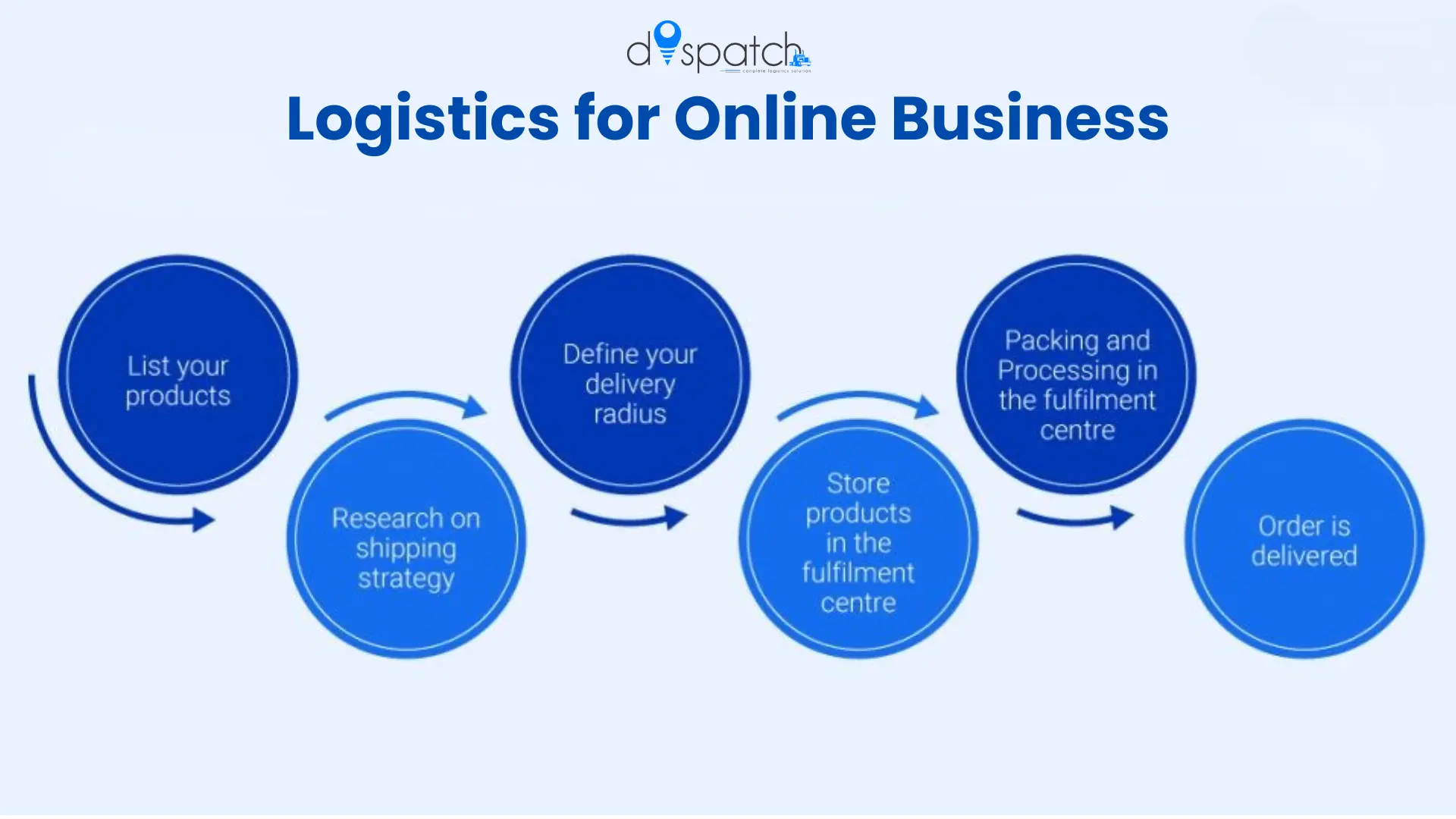
Introduction
In today's digital economy, logistics for online business has become one of the most important factors determining success in ecommerce. Whether you're selling fashion, electronics, beauty products, groceries, or handmade crafts, your customers expect fast deliveries, accurate order tracking, secure packaging, and hassle-free returns.
Having an excellent product is no longer enough. Customers compare brands not only on price but also on delivery speed, shipping reliability, and post-purchase experience. Businesses that invest in efficient logistics gain a competitive advantage, while those with poor logistics struggle with delayed deliveries, high return rates, and dissatisfied customers.
This comprehensive guide explains everything you need to know about logistics for online business, including warehousing, inventory management, shipping, fulfillment, technology, and best practices for scaling your ecommerce operations.
What Is Logistics for Online Business?
Logistics for online business refers to the complete process of moving products from the seller to the customer efficiently and cost-effectively.
The logistics process includes:
Inventory management
Product storage
Order processing
Picking and packing
Shipping
Last-mile delivery
Reverse logistics
Returns management
Customer notifications
Delivery tracking
Every successful online business depends on a logistics system that ensures orders are delivered accurately and on time.
Why Logistics Matters in Ecommerce
Customers today have high expectations.
They expect:
Same-day or next-day delivery
Safe packaging
Easy returns
Low shipping charges
Fast customer support
A reliable logistics system helps businesses meet these expectations consistently.
Benefits include:
Improved customer satisfaction
Higher repeat purchases
Lower operational costs
Better inventory control
Reduced delivery errors
Increased profitability
Stronger brand reputation
Components of Logistics for Online Business
A successful ecommerce logistics system consists of several interconnected processes.
Inventory Management
Inventory is the backbone of any online business.
Good inventory management ensures:
Products remain in stock
No overstocking
Reduced storage costs
Accurate stock levels
Faster order fulfillment
Modern inventory software provides real-time updates across multiple sales channels.
Warehousing
Warehousing involves storing products before they are shipped.
Different types include:
Private Warehouse
Owned by the business.
Advantages:
Complete control
Custom operations
Long-term savings
Disadvantages:
High investment
Maintenance costs
Shared Warehouse
Used by multiple businesses.
Advantages:
Affordable
Flexible
Suitable for growing brands
Fulfillment Centers
These warehouses process orders immediately after receiving them.
They perform:
Picking
Packing
Shipping
Returns processing
Order Processing
Once an order is placed, the logistics workflow begins.
The process includes:
Order confirmation
Inventory verification
Picking products
Packing
Shipping label generation
Courier allocation
Dispatch
Delivery confirmation
Automation reduces processing time significantly.
Packaging
Packaging protects products while representing your brand.
Good packaging should be:
Lightweight
Durable
Eco-friendly
Attractive
Cost-efficient
Proper packaging reduces damage during transportation.
Shipping
Shipping is one of the largest expenses in ecommerce.
Businesses should optimize shipping through:
Multiple courier partners
Automated shipping selection
Regional fulfillment
Bulk shipping discounts
Shipping strategies directly impact customer satisfaction.
Last-Mile Delivery
Last-mile delivery is the final stage where products reach customers.
It is often the most expensive part of logistics.
Challenges include:
Traffic
Incorrect addresses
Failed deliveries
Weather conditions
Optimizing last-mile delivery improves customer experience.
Reverse Logistics
Returns are common in online shopping.
Reverse logistics includes:
Return requests
Pickup scheduling
Product inspection
Refund processing
Restocking
A smooth return policy builds customer trust.
Technology in Logistics
Technology has transformed logistics for online businesses.
Popular technologies include:
Warehouse Management Systems
They optimize warehouse operations.
Features:
Barcode scanning
Inventory tracking
Order management
Transportation Management Systems
These systems optimize shipping.
Benefits include:
Route planning
Freight optimization
Delivery tracking
AI and Automation
Artificial Intelligence helps businesses:
Forecast demand
Reduce delivery delays
Optimize inventory
Detect fraud
Improve customer support
GPS Tracking
Customers appreciate knowing where their orders are.
Real-time tracking reduces customer inquiries.
Choosing the Right Logistics Partner
When selecting a logistics company, consider:
Delivery Speed
Fast delivery increases customer satisfaction.
Coverage
Choose a provider with nationwide reach.
Technology
Look for:
API integration
Shipment tracking
Automated notifications
Pricing
Compare:
Shipping rates
COD charges
Return fees
Fuel surcharges
Customer Support
Reliable support minimizes operational disruptions.
Common Logistics Challenges
Businesses often face:
High Shipping Costs
Rising fuel prices increase expenses.
Solutions:
Bulk shipping
Multiple warehouses
Courier comparison
Inventory Errors
Incorrect stock counts cause delayed orders.
Solutions:
Inventory software
Barcode systems
Regular audits
Delivery Delays
Reasons include:
Weather
Traffic
Courier issues
Solutions:
Backup courier partners
Better route planning
Order Returns
Reduce returns by:
Accurate product descriptions
Better packaging
Quality control
Best Practices for Logistics for Online Business
Automate Operations
Automation reduces manual work and errors.
Track Every Shipment
Customers expect transparency.
Provide:
SMS updates
Email notifications
Tracking links
Maintain Inventory Accuracy
Use inventory software with real-time synchronization.
Improve Warehouse Efficiency
Organize products logically.
Reduce picking time using:
Barcode scanning
Smart shelving
Warehouse automation
Use Multiple Courier Partners
Different couriers perform better in different regions.
Multiple options improve delivery success.
Offer Flexible Delivery Options
Provide:
Standard delivery
Express shipping
Same-day delivery
Scheduled delivery
Monitor Performance Metrics
Important KPIs include:
Order accuracy
Delivery time
Shipping cost
Return rate
Customer satisfaction
Importance of Logistics in Customer Experience
Excellent logistics creates loyal customers.
Benefits include:
Faster deliveries
Fewer complaints
Better reviews
Increased repeat business
Higher lifetime customer value
Customers remember the delivery experience as much as the product itself.
Logistics Costs for Online Businesses
Major expenses include:
Warehousing
Packaging
Shipping
Technology
Labor
Returns
Insurance
Reducing unnecessary logistics costs increases profitability.
Sustainable Logistics
Modern customers prefer environmentally responsible businesses.
Sustainable logistics includes:
Eco-friendly packaging
Electric delivery vehicles
Route optimization
Reduced packaging waste
Recyclable materials
Green logistics also reduces long-term operational costs.
Future Trends in Logistics for Online Business
The logistics industry continues to evolve rapidly.
Emerging trends include:
AI-Powered Forecasting
Artificial Intelligence predicts demand more accurately.
Robotics
Warehouse robots improve picking speed and accuracy.
Drone Deliveries
Drone technology is gradually expanding for faster deliveries in select areas.
Hyperlocal Logistics
Local fulfillment centers reduce delivery time dramatically.
Same-Day Delivery
Fast delivery is becoming the standard in metropolitan areas.
Predictive Analytics
Businesses use analytics to optimize inventory and reduce stockouts.
Logistics for Small Online Businesses
Small businesses can compete effectively by:
Using third-party logistics providers
Outsourcing warehousing
Automating order management
Integrating ecommerce platforms
Offering transparent tracking
Affordable logistics solutions make it easier for startups to scale.
How Efficient Logistics Improves Profitability
Efficient logistics helps businesses by:
Reducing shipping costs
Increasing delivery speed
Minimizing returns
Improving customer retention
Lowering inventory carrying costs
Enhancing operational efficiency
A well-managed logistics network directly contributes to higher revenue and sustainable growth.
Building a Scalable Logistics Strategy
As your online business grows, your logistics strategy should evolve. Consider these steps to build a scalable operation:
Forecast demand using historical sales data.
Maintain safety stock for fast-moving products.
Integrate your ecommerce platform with inventory and shipping software.
Use regional warehouses to reduce delivery times.
Review courier performance regularly.
Negotiate shipping rates as order volumes increase.
Continuously monitor customer feedback related to deliveries.
A scalable logistics strategy ensures that your business can handle seasonal peaks, promotional campaigns, and long-term growth without compromising customer satisfaction.
Conclusion
Logistics for online business is much more than transporting products from one location to another. It encompasses inventory management, warehousing, order processing, packaging, shipping, last-mile delivery, returns, and customer communication. An efficient logistics system reduces operational costs, improves delivery performance, enhances customer satisfaction, and supports long-term business growth.
Whether you are launching a new ecommerce store or expanding an established brand, investing in the right logistics processes and technologies is essential. By focusing on automation, real-time tracking, efficient inventory management, optimized shipping, and continuous performance improvement, online businesses can build a resilient supply chain that meets customer expectations and stays competitive in the ever-evolving ecommerce landscape.
Frequently Asked Questions (FAQs)
Que: What is logistics for online business?
Ans: Logistics for online business is the process of managing inventory, warehousing, order fulfillment, shipping, delivery, and returns to ensure products reach customers efficiently and on time.
Que: Why is logistics important for ecommerce businesses?
Ans: Effective logistics improves delivery speed, reduces operational costs, enhances customer satisfaction, minimizes errors, and helps businesses scale efficiently.
Que: What are the main components of online business logistics?
Ans: The key components include inventory management, warehousing, order processing, packaging, shipping, last-mile delivery, tracking, and reverse logistics for returns.
Que: How can online businesses reduce logistics costs?
Ans: Businesses can lower logistics costs by automating operations, optimizing inventory, using multiple courier partners, improving packaging efficiency, and strategically locating warehouses.
Que: What are the latest trends in logistics for online business?
Ans: Current trends include AI-powered demand forecasting, warehouse automation, robotics, sustainable logistics practices, hyperlocal fulfillment centers, real-time shipment tracking, and same-day delivery service.