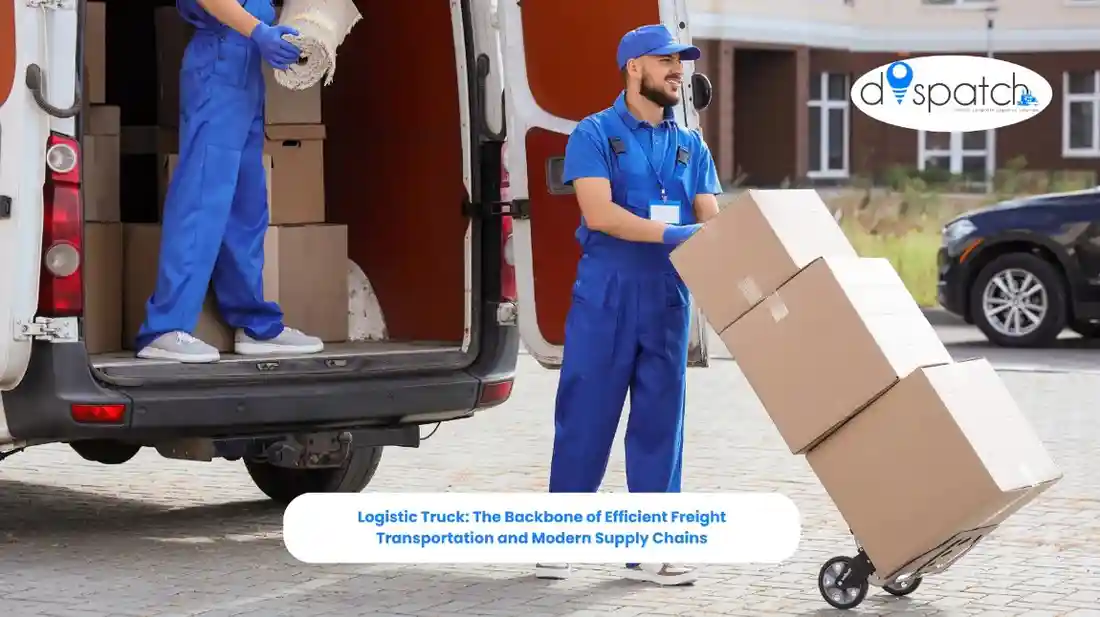
Introduction
Transportation is one of the most important parts of every modern supply chain. Products may be manufactured in one location, stored in another, processed at a distribution center, and finally delivered to a retailer or customer hundreds or thousands of kilometres away. Connecting all these stages requires dependable transportation, and this is where a logistic truck becomes essential.
A logistic truck is designed to transport goods from one point to another while supporting the wider requirements of logistics operations. Depending on the type of cargo, distance, road conditions, and delivery schedule, businesses may use light commercial vehicles, medium-duty trucks, heavy-duty trucks, refrigerated vehicles, container carriers, or specialized vehicles.
For manufacturers, wholesalers, retailers, e-commerce companies, distributors, and logistics providers, the right truck can directly influence delivery speed, cargo safety, operating costs, and customer satisfaction. A well-planned transportation system does more than simply move products. It creates a connection between different parts of the supply chain and ensures that inventory reaches its destination at the right time and in the right condition.
As businesses increasingly focus on faster deliveries, better inventory management, and greater operational efficiency, understanding how logistic trucks work and how to select the right transportation solution has become increasingly important.
What Is a Logistic Truck?
A logistic truck is a commercial vehicle used to transport goods as part of a logistics or supply chain operation. It can carry raw materials, finished products, equipment, parcels, machinery, food products, construction materials, or other forms of commercial cargo.
The design of the truck depends heavily on the type of goods being transported. For example, a company transporting temperature-sensitive food may require a refrigerated truck, while a business moving construction materials may need a heavy-duty vehicle with a high load-bearing capacity.
A logistic truck generally performs one or more of the following functions:
Moving goods between manufacturers and warehouses
Transporting inventory from warehouses to distribution centers
Delivering products to retailers
Supporting e-commerce and last-mile deliveries
Carrying raw materials to manufacturing facilities
Transporting goods between cities and states
Moving cargo between ports, rail terminals, warehouses, and businesses
Handling specialized or oversized shipments
The vehicle is therefore not simply a means of transportation. It is an important logistics asset that contributes to the movement, storage planning, scheduling, and distribution of goods.
Why Logistic Trucks Are Important for Businesses
Road transportation remains an important part of supply chain operations because trucks offer flexibility that many other transportation methods cannot provide. Rail, air, and sea transportation can be highly effective for specific routes and cargo types, but trucks can provide door-to-door movement across a wide range of locations.
A logistic truck can collect goods directly from a factory, transport them to a warehouse, and then deliver them to another business or customer. This flexibility helps reduce the number of unnecessary handling stages.
For businesses, efficient truck transportation can contribute to:
Faster Deliveries
Customers increasingly expect products to arrive quickly. Businesses can use suitable trucks and optimized routes to reduce transportation delays and improve delivery schedules.
Better Supply Chain Coordination
A reliable transportation network helps synchronize manufacturing, warehousing, inventory management, and distribution. When trucks operate according to planned schedules, businesses can better coordinate different supply chain activities.
Wider Market Reach
Businesses are not limited to customers located close to their warehouses or production facilities. With reliable road transportation, they can serve customers across cities, states, and regions.
Improved Customer Satisfaction
Late or damaged deliveries can affect customer relationships. Proper truck selection, cargo handling, route planning, and monitoring can help businesses deliver goods more reliably.
Better Cost Management
Transportation can represent a significant part of logistics expenditure. Selecting the right vehicle and using it efficiently can help businesses control fuel consumption, maintenance costs, labor expenses, and unnecessary trips.
Types of Logistic Trucks
There is no single truck suitable for every logistics requirement. Different businesses require different vehicles depending on their cargo, delivery distance, and operating environment.
Light Commercial Trucks
Light commercial trucks are useful for smaller shipments and urban deliveries. They are commonly used for local distribution, retail deliveries, parcel transportation, and last-mile logistics.
Their smaller size allows them to operate efficiently in busy urban areas where larger vehicles may face restrictions or difficulty navigating narrow roads.
Medium-Duty Trucks
Medium-duty trucks provide a balance between cargo capacity and maneuverability. They are suitable for regional distribution, commercial deliveries, and transportation between warehouses and business locations.
These vehicles are often used when businesses need more capacity than a small commercial vehicle can provide but do not require a heavy-duty truck.
Heavy-Duty Trucks
Heavy-duty trucks are designed for large and heavy cargo. They are commonly used for long-distance freight transportation and industrial logistics.
These trucks can support high-volume shipments and are particularly useful when businesses need to transport large quantities of goods over long distances.
Refrigerated Trucks
Refrigerated trucks, often called reefer trucks, are designed to maintain controlled temperatures during transportation. They are essential for products such as fresh food, frozen products, pharmaceuticals, and other temperature-sensitive cargo.
Maintaining the required temperature throughout the journey helps preserve product quality and reduces the risk of spoilage.
Container Trucks
Container trucks transport standardized shipping containers between ports, warehouses, factories, rail terminals, and distribution facilities.
They are especially important in multimodal logistics, where cargo may move through a combination of road, rail, sea, and other transportation systems.
Flatbed Trucks
Flatbed trucks have an open platform instead of an enclosed cargo body. They are useful for transporting large, heavy, or unusually shaped goods that may not fit inside a conventional enclosed truck.
Construction materials, industrial equipment, machinery, steel products, and other oversized items can often be transported using flatbed vehicles.
Tanker Trucks
Tanker trucks are designed to carry liquids, gases, or certain bulk materials. They are specialized vehicles and require appropriate safety procedures and equipment.
Their use is common in industries that transport fuel, chemicals, food-grade liquids, and other bulk products.
Parcel and Last-Mile Delivery Vehicles
Smaller logistic trucks and delivery vans are widely used for last-mile transportation. They move packages from distribution centers or local hubs to individual customers and businesses.
With the expansion of online shopping, last-mile delivery has become a major component of modern logistics.
Key Features to Look for in a Logistic Truck
Choosing the right vehicle requires more than simply comparing purchase prices. Businesses should evaluate the truck based on its overall suitability for their transportation requirements.
Payload Capacity
Payload capacity indicates how much cargo the vehicle can safely carry. Businesses should select a truck that can handle their typical shipment weight without regularly exceeding recommended limits.
Choosing a vehicle with insufficient capacity can create operational problems, while consistently using an oversized vehicle can increase fuel and maintenance expenses.
Cargo Body
The cargo body should match the nature of the goods. Enclosed bodies are suitable for products that require protection from weather and external conditions. Open-body trucks may be more appropriate for certain construction or industrial materials.
Fuel Efficiency
Fuel is a major operating expense for commercial transportation. A fuel-efficient truck can help businesses reduce running costs, especially when vehicles cover long distances regularly.
Durability
Commercial vehicles often operate for long hours and under demanding conditions. Durability is therefore an important consideration. A dependable truck can help reduce unexpected downtime and improve fleet availability.
Safety Features
Safety should be a priority when selecting a logistic truck. Businesses should consider braking systems, visibility, driver-assistance technologies, lighting, load security, and other relevant safety features.
Maintenance Requirements
Regular maintenance is essential for commercial vehicles. Businesses should consider the availability of service centers, spare parts, maintenance costs, and the manufacturer's support network before selecting a vehicle.
Loading and Unloading Convenience
A truck that allows efficient loading and unloading can reduce turnaround time. Features such as suitable cargo doors, loading height, body design, and compatibility with handling equipment can improve warehouse and delivery operations.
Role of Logistic Trucks in Supply Chain Management
The modern supply chain consists of several interconnected activities. Manufacturing, procurement, inventory, warehousing, transportation, distribution, and customer delivery must work together.
A logistic truck connects many of these stages.
For example, consider a manufacturer producing consumer goods. Raw materials may arrive by truck from suppliers. Once the products are manufactured, another truck may transport finished goods to a distribution center. From there, smaller vehicles may deliver products to retailers or individual customers.
This movement creates a continuous flow of goods.
If transportation becomes unreliable, other supply chain activities can also be affected. A delayed truck may cause a warehouse to receive inventory late. A manufacturing facility may face material shortages. A retailer may run out of stock. An e-commerce customer may experience a delayed delivery.
Therefore, effective truck transportation can contribute to supply chain continuity.
Logistic Trucks and Last-Mile Delivery
Last-mile delivery is often one of the most challenging stages of logistics. It involves transporting goods from a local distribution point to the final customer.
Urban congestion, changing delivery addresses, parking limitations, narrow roads, customer availability, and high delivery volumes can make last-mile operations complex.
Smaller logistic trucks and delivery vehicles can help businesses navigate urban environments more effectively. Route optimization technology can also help drivers visit multiple delivery points efficiently.
For e-commerce businesses, last-mile transportation has a direct impact on customer experience. Fast and reliable delivery can encourage repeat purchases, while frequent delays can damage customer trust.
Technology in Logistic Truck Operations
Technology has transformed the way businesses manage commercial transportation. Modern fleet management systems can provide businesses with greater visibility into vehicle operations.
GPS Tracking
GPS technology allows businesses to monitor vehicle locations and track delivery progress. This can help logistics teams identify delays and communicate more accurate delivery information.
Route Optimization
Route planning software can analyze delivery locations and help identify efficient routes. This can reduce unnecessary kilometres, travel time, and fuel consumption.
Fleet Management Systems
Fleet management platforms can help businesses monitor vehicles, maintenance schedules, fuel usage, driver activity, and other operational information.
Electronic Documentation
Digital documentation can reduce paperwork and make it easier to manage shipment records, delivery confirmations, invoices, and other logistics information.
Real-Time Communication
Mobile connectivity allows drivers, fleet managers, warehouse teams, and customers to communicate more efficiently. This can be particularly useful when delivery plans change during transit.
How to Improve Logistic Truck Efficiency
Businesses can take several steps to improve the efficiency of their truck operations.
Plan Routes Carefully
Route planning should consider distance, traffic conditions, delivery windows, road restrictions, and vehicle limitations. Efficient routes can reduce travel time and fuel consumption.
Avoid Unnecessary Empty Trips
Returning vehicles without cargo can reduce fleet productivity. Businesses can explore opportunities for return loads or better shipment consolidation.
Maintain Vehicles Regularly
Preventive maintenance can reduce breakdowns and improve vehicle reliability. Regular inspections of tires, brakes, engine components, fluids, and other systems can help identify issues before they become serious.
Train Drivers
Driver behavior can influence fuel consumption, safety, vehicle wear, and delivery performance. Proper training can help drivers operate vehicles more safely and efficiently.
Monitor Fleet Performance
Businesses should track key performance indicators such as fuel efficiency, vehicle utilization, delivery time, maintenance costs, and downtime.
Consolidate Shipments
When practical, combining smaller shipments into larger loads can improve vehicle utilization and reduce the number of trips required.
Choosing the Right Logistic Truck for Your Business
The ideal truck depends on the specific requirements of the business. Before purchasing or hiring a vehicle, companies should evaluate several factors.
First, determine the average and maximum cargo weight. Next, consider the dimensions and characteristics of the goods. Businesses should also assess typical delivery distances and road conditions.
Urban operations may require smaller and more maneuverable vehicles, while long-distance transportation may benefit from larger vehicles with greater capacity.
Temperature-sensitive products require specialized equipment, while fragile products may require additional cargo protection.
Businesses should also consider the frequency of deliveries. A vehicle that operates every day may need different specifications from one used only occasionally.
Total cost of ownership is another important factor. Purchase or rental costs are only part of the expense. Fuel, insurance, maintenance, tires, taxes, driver costs, depreciation, and downtime can all influence the actual cost of operating a truck.
Buying vs. Hiring a Logistic Truck
Businesses often have to decide whether to purchase vehicles or use third-party transportation services.
Buying a Truck
Owning a vehicle gives businesses greater control over transportation. It can be useful for companies with regular, predictable shipping volumes.
However, ownership also means taking responsibility for maintenance, insurance, drivers, compliance, fuel, depreciation, and other costs.
Hiring Transportation Services
Outsourcing transportation can provide greater flexibility. Businesses can access different vehicle types without investing in their own fleet.
This can be especially useful for companies with seasonal demand, unpredictable shipment volumes, or limited logistics infrastructure.
The best option depends on shipment frequency, budget, operational requirements, and long-term business strategy.
Environmental Considerations in Truck Logistics
Sustainability is becoming an increasingly important consideration in transportation. Businesses are looking for ways to reduce fuel consumption, emissions, and unnecessary vehicle movement.
Efficient route planning can reduce kilometres travelled. Better vehicle utilization can reduce the number of trips. Regular maintenance can help vehicles operate efficiently.
Businesses may also evaluate alternative-fuel or electric commercial vehicles when they are suitable for their operating environment.
The transition toward cleaner transportation is likely to continue as businesses and logistics providers look for ways to reduce the environmental impact of freight movement.
Safety and Cargo Protection
Safe transportation involves both vehicle safety and cargo protection.
Goods should be loaded according to their weight, dimensions, and handling requirements. Proper securing equipment can help prevent cargo from shifting during transportation.
Drivers should follow applicable road safety requirements and take appropriate precautions based on weather, traffic, and road conditions.
For valuable or sensitive shipments, businesses may also use additional tracking, security measures, tamper-evident packaging, and controlled access procedures.
A safe logistics operation protects employees, drivers, cargo, vehicles, and other road users.
Future of Logistic Truck Transportation
The logistics industry is continuing to evolve through technology, changing customer expectations, and new transportation models.
Artificial intelligence and advanced analytics can help businesses improve demand forecasting, route planning, and fleet utilization. Connected vehicles can provide more operational data, while automation may influence certain warehouse-to-transport processes.
Electric and alternative-fuel commercial vehicles are also gaining attention as businesses explore cleaner transportation solutions.
At the same time, the growth of e-commerce is increasing the demand for efficient last-mile delivery. Logistics providers will need to balance delivery speed, operating costs, sustainability, and customer expectations.
The logistic truck of the future is therefore likely to be more connected, efficient, data-driven, and environmentally conscious.
Conclusion
A logistic truck is much more than a vehicle used to move goods from one location to another. It is a critical part of the supply chain that connects manufacturers, warehouses, distributors, retailers, and customers.
The right truck can improve delivery speed, cargo safety, fleet utilization, and operational efficiency. Businesses can choose from various vehicle types based on payload requirements, cargo characteristics, delivery distance, road conditions, and budget.
Technology is also making truck logistics more efficient. GPS tracking, route optimization, fleet management, digital documentation, and real-time communication can give businesses better control over transportation operations.
For companies looking to improve logistics performance, selecting the right vehicle is only the beginning. Effective route planning, preventive maintenance, driver training, cargo management, and performance monitoring are equally important.
As supply chains become more complex and customer expectations continue to rise, efficient road transportation will remain essential. Businesses that invest in reliable truck logistics and smarter transportation management can build stronger supply chains, improve customer satisfaction, and create a more efficient foundation for long-term growth.
Frequently Asked Questions
Que: What is a logistic truck?
Ans: A logistic truck is a commercial vehicle used to transport goods as part of a supply chain or logistics operation. It can carry raw materials, finished products, parcels, machinery, food, equipment, and other types of commercial cargo.
Que: Which type of logistic truck is best for business deliveries?
Ans: The best truck depends on cargo weight, cargo dimensions, delivery distance, road conditions, and delivery frequency. Light commercial trucks may be suitable for local deliveries, while medium- or heavy-duty trucks can be better for larger or longer-distance shipments.
Que: How can businesses reduce logistic truck operating costs?
Ans: Businesses can reduce operating costs through route optimization, regular vehicle maintenance, better load utilization, fuel-efficient driving practices, shipment consolidation, and effective fleet monitoring.
Que: Why is GPS tracking important for logistic trucks?
Ans: GPS tracking provides visibility into vehicle locations and delivery progress. It can help logistics teams monitor routes, identify delays, improve customer communication, and manage fleet operations more effectively.
Que: Should a business buy or hire a logistic truck?
Ans: The decision depends on shipment volume, delivery frequency, budget, and operational requirements. Buying can provide greater control for businesses with consistent transportation needs, while hiring or outsourcing can provide flexibility without the responsibilities associated with fleet ownership.