Introduction
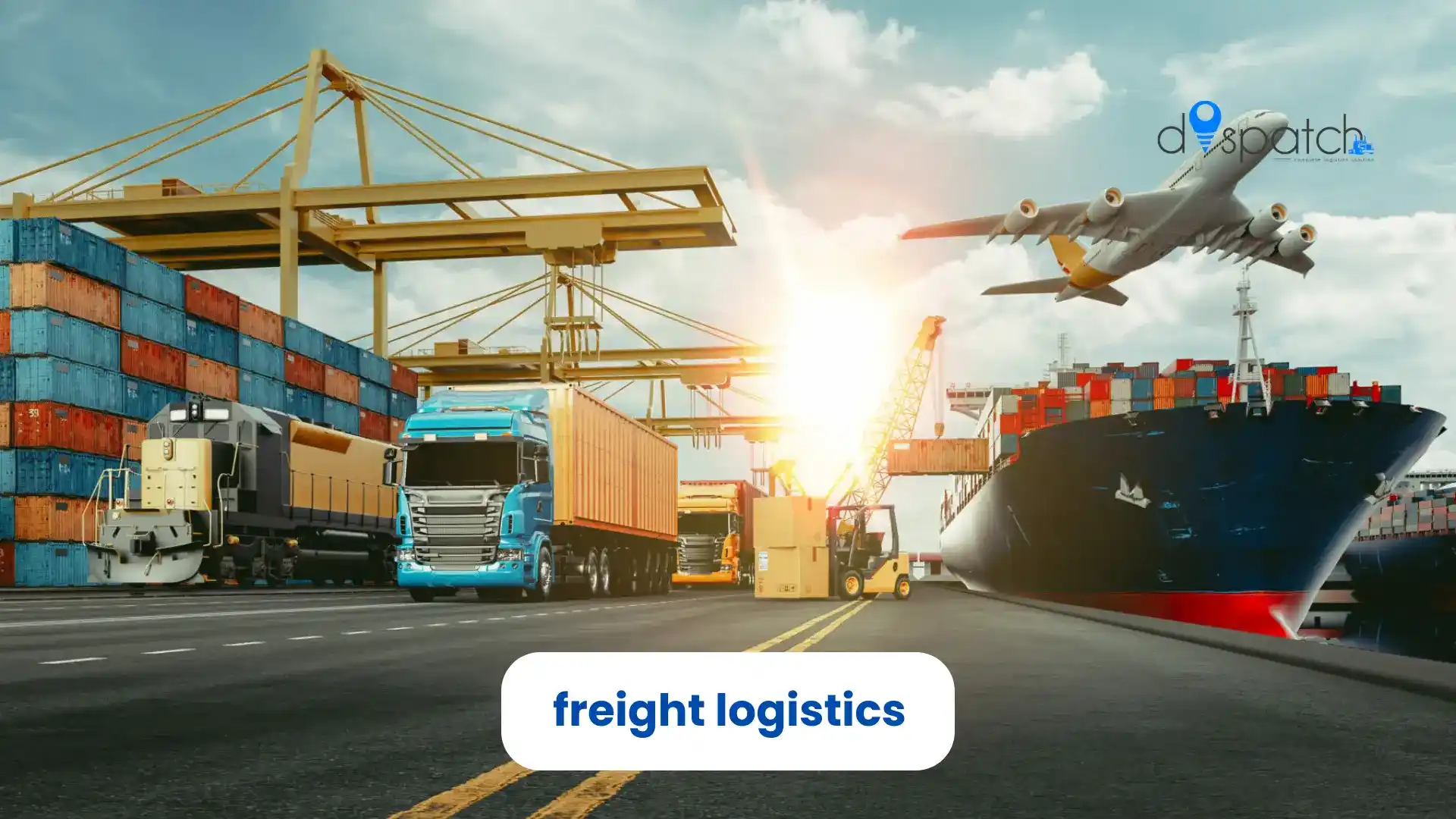
Freight logistics is one of the most important parts of global trade and business operations. Every product that reaches stores, warehouses, online customers, factories, or distributors depends on an organized logistics network. From raw materials to finished goods, freight logistics ensures that products move safely, quickly, and cost-effectively from one place to another.
In today’s fast-moving economy, businesses rely heavily on efficient freight transportation systems to satisfy customer demands. Whether it is ecommerce deliveries, industrial equipment transportation, retail distribution, or international trade, freight logistics supports every industry. Companies that invest in strong logistics systems can reduce transportation costs, improve customer satisfaction, and increase operational efficiency.
The rapid growth of online shopping, globalization, and digital transformation has increased the importance of freight logistics even further. Businesses now require real-time tracking, fast delivery, secure transportation, and optimized supply chain operations. Freight logistics providers help companies manage these complex transportation activities while ensuring smooth coordination between suppliers, warehouses, and customers.
This comprehensive guide explains freight logistics in detail, including its types, importance, benefits, transportation modes, challenges, technologies, trends, and strategies for businesses.
What is Freight Logistics?
Freight logistics refers to the planning, coordination, management, and transportation of goods from one location to another. It involves organizing shipping operations, selecting transportation methods, managing inventory, tracking shipments, and ensuring timely delivery.
The main objective of freight logistics is to move goods efficiently while minimizing costs and maximizing customer satisfaction.
Freight logistics includes several activities such as:
Transportation management
Inventory control
Warehousing
Packaging
Shipment tracking
Supply chain coordination
Customs clearance
Last-mile delivery
Route optimization
Freight logistics plays a major role in domestic as well as international trade. Without efficient logistics systems, businesses would struggle to deliver products on time.
Importance of Freight Logistics
Freight logistics is essential for businesses because it directly affects delivery speed, customer experience, and profitability.
Ensures Timely Delivery
Customers expect fast and reliable deliveries. Efficient freight logistics helps businesses transport products without delays.
Reduces Transportation Costs
Optimized shipping routes and transportation planning help companies reduce fuel, labor, and operational costs.
Improves Customer Satisfaction
On-time deliveries and accurate shipment tracking increase customer trust and loyalty.
Supports Global Trade
Freight logistics enables businesses to import and export goods worldwide.
Enhances Inventory Management
Logistics systems help businesses maintain proper stock levels and avoid overstocking or shortages.
Increases Business Efficiency
Well-organized logistics operations improve workflow, productivity, and supply chain performance.
Types of Freight Logistics
Freight logistics can be categorized into different types based on transportation methods and operational requirements.
Road Freight Logistics
Road transportation is one of the most common freight logistics methods. Trucks and delivery vehicles transport goods across cities, states, and regions.
Advantages
Flexible delivery options
Door-to-door transportation
Suitable for short and medium distances
Industries Using Road Freight
Ecommerce
Retail
FMCG
Pharmaceuticals
Manufacturing
Rail Freight Logistics
Rail freight involves transporting goods through trains over long distances.
Advantages
Cost-effective for bulk cargo
Environmentally friendly
Reliable transportation schedules
Ideal for heavy goods
Common Rail Freight Cargo
Coal
Cement
Industrial machinery
Agricultural products
Air Freight Logistics
Air freight is used for urgent and high-value shipments.
Advantages
Fastest transportation method
Suitable for international deliveries
Ideal for fragile and perishable items
Disadvantages
Higher shipping costs
Weight limitations
Industries Using Air Freight
Electronics
Healthcare
Fashion
Luxury goods
Sea Freight Logistics
Sea freight is widely used for international trade and large-volume shipments.
Advantages
Cost-effective for international shipping
Suitable for heavy cargo
Ideal for bulk transportation
Common Sea Freight Cargo
Containers
Raw materials
Industrial goods
Vehicles
Multimodal Freight Logistics
Multimodal logistics combines multiple transportation methods such as road, rail, sea, and air.
Benefits
Better efficiency
Reduced shipping costs
Faster delivery
Improved supply chain flexibility
Key Components of Freight Logistics
Successful freight logistics depends on several interconnected components.
Transportation Management
Transportation management involves selecting carriers, planning routes, scheduling deliveries, and monitoring shipments.
Efficient transportation management reduces fuel consumption and improves delivery speed.
Warehousing
Warehouses store goods before distribution. Modern warehouses use advanced technologies for inventory tracking and order fulfillment.
Functions of Warehousing
Inventory storage
Packaging
Sorting
Labeling
Distribution
Inventory Management
Inventory management ensures businesses maintain the right stock levels.
Benefits
Prevents stock shortages
Reduces excess inventory
Improves order fulfillment
Packaging
Proper packaging protects products during transportation.
Good Packaging Helps:
Reduce damage
Improve handling
Lower return rates
Enhance shipping safety
Shipment Tracking
Modern freight logistics systems provide real-time shipment tracking.
Advantages
Better visibility
Improved customer communication
Faster issue resolution
Freight Logistics Process
The freight logistics process includes multiple stages.
Order Processing
The logistics journey starts when a customer places an order.
Inventory Allocation
Products are selected from warehouse inventory.
Packaging and Labeling
Items are packed securely and labeled for transportation.
Transportation Planning
Logistics managers choose the best transportation route and shipping method.
Shipment Dispatch
Goods are dispatched through trucks, ships, trains, or aircraft.
Shipment Tracking
Tracking systems monitor cargo movement in real time.
Delivery
Products reach the final destination or customer.
Role of Technology in Freight Logistics
Technology has transformed freight logistics significantly.
GPS Tracking
GPS systems provide real-time shipment location updates.
Benefits
Better visibility
Improved route planning
Faster deliveries
Transportation Management Systems (TMS)
TMS software helps businesses manage transportation operations.
Features
Route optimization
Carrier management
Shipment tracking
Freight auditing
Warehouse Management Systems (WMS)
WMS software improves warehouse efficiency.
Functions
Inventory tracking
Barcode scanning
Order management
Stock control
Artificial Intelligence (AI)
AI helps logistics companies predict demand, optimize routes, and improve delivery efficiency.
AI Applications
Predictive analytics
Automated scheduling
Smart inventory forecasting
Internet of Things (IoT)
IoT devices monitor cargo conditions during transportation.
IoT Benefits
Temperature monitoring
Real-time alerts
Improved cargo safety
Blockchain Technology
Blockchain improves transparency and security in logistics operations.
Advantages
Secure documentation
Better shipment tracking
Reduced fraud
Benefits of Efficient Freight Logistics
Businesses gain several advantages from strong freight logistics systems.
Lower Operational Costs
Efficient route planning reduces transportation expenses.
Faster Deliveries
Optimized logistics operations improve shipping speed.
Better Customer Experience
Reliable deliveries increase customer trust and retention.
Improved Supply Chain Visibility
Real-time tracking provides better operational transparency.
Higher Productivity
Automated logistics systems reduce manual work and improve efficiency.
Reduced Product Damage
Proper handling and packaging lower damage rates.
Challenges in Freight Logistics
Freight logistics also faces several operational challenges.
Rising Fuel Costs
Fuel price fluctuations increase transportation expenses.
Delivery Delays
Traffic congestion, weather conditions, and operational disruptions can delay shipments.
Inventory Management Issues
Poor inventory planning may lead to stock shortages or excess inventory.
Regulatory Compliance
International logistics requires customs documentation and legal compliance.
Driver Shortages
Many logistics companies face shortages of skilled drivers.
Cargo Theft and Damage
Security risks remain a major concern in freight transportation.
Freight Logistics in Ecommerce
Ecommerce growth has transformed freight logistics operations.
Online retailers require:
Fast shipping
Efficient warehousing
Last-mile delivery services
Freight logistics companies help ecommerce businesses manage inventory and deliver products quickly.
Importance of Last-Mile Delivery
Last-mile delivery is the final stage of transportation where products reach customers.
Challenges
Traffic congestion
Delivery costs
Failed deliveries
Solutions
Route optimization
Local delivery hubs
Delivery automation
International Freight Logistics
International freight logistics involves cross-border transportation.
Key Activities
Customs clearance
International shipping
Freight forwarding
Documentation management
Incoterms in International Logistics
Incoterms define responsibilities between buyers and sellers.
Common Incoterms
FOB (Free on Board)
CIF (Cost Insurance Freight)
EXW (Ex Works)
DDP (Delivered Duty Paid)
Freight Forwarding in Logistics
Freight forwarders manage shipping operations for businesses.
Services Offered
Transportation coordination
Customs documentation
Carrier booking
Cargo insurance
Freight forwarders simplify international shipping processes.
Green Freight Logistics
Sustainability has become important in logistics operations.
Eco-Friendly Logistics Practices
Electric Vehicles
Many companies now use electric delivery vehicles.
Route Optimization
Efficient routes reduce fuel consumption.
Sustainable Packaging
Eco-friendly packaging lowers environmental impact.
Rail Transportation
Rail freight reduces carbon emissions compared to road transport.
Warehouse Logistics and Distribution
Warehousing is a critical part of freight logistics.
Types of Warehouses
Private Warehouses
Owned by businesses for exclusive use.
Public Warehouses
Available for rental by multiple businesses.
Distribution Centers
Designed for quick product movement and fulfillment.
Automated Warehouses
Modern warehouses use automation technologies.
Technologies Used
Robotics
Conveyor systems
Barcode scanners
AI-driven inventory systems
Automation improves speed and accuracy.
Freight Logistics Cost Factors
Several factors influence logistics costs.
Distance
Longer shipping distances increase transportation expenses.
Weight and Volume
Heavier and larger shipments cost more.
Fuel Prices
Fuel cost fluctuations directly affect freight charges.
Delivery Speed
Express shipping is more expensive than standard delivery.
Customs Duties
International shipments may involve taxes and duties.
How Businesses Can Improve Freight Logistics
Businesses can optimize freight logistics using several strategies.
Use Advanced Logistics Software
Technology improves tracking, route planning, and inventory management.
Partner with Reliable Logistics Providers
Experienced logistics partners ensure smooth transportation operations.
Optimize Delivery Routes
Efficient route planning saves fuel and delivery time.
Improve Warehouse Management
Organized warehouses speed up order fulfillment.
Monitor Supply Chain Performance
Regular analysis helps identify operational improvements.
Future Trends in Freight Logistics
Freight logistics continues to evolve with technology and changing customer expectations.
Automation and Robotics
Automated warehouses and robotic systems improve operational efficiency.
Autonomous Vehicles
Self-driving trucks may transform transportation in the future.
Drone Deliveries
Drones are being tested for faster local deliveries.
Artificial Intelligence Expansion
AI will continue improving logistics forecasting and optimization.
Sustainable Logistics
Green transportation solutions will become more common.
Importance of Freight Logistics for Small Businesses
Small businesses also benefit from efficient freight logistics.
Advantages for Small Businesses
Faster product delivery
Better inventory control
Reduced shipping costs
Improved customer service
Reliable logistics systems help small businesses compete with larger companies.
Role of Freight Logistics in Manufacturing
Manufacturers depend heavily on logistics for raw material supply and product distribution.
Logistics Functions in Manufacturing
Supplier coordination
Inventory management
Distribution planning
Production support
Efficient logistics reduces production delays and operational costs.
Freight Logistics and Supply Chain Management
Freight logistics is closely connected to supply chain management.
Supply Chain Includes
Procurement
Manufacturing
Warehousing
Transportation
Distribution
Freight logistics handles the movement of goods within the supply chain.
Digital Transformation in Freight Logistics
Digital transformation is changing logistics operations worldwide.
Digital Logistics Technologies
Cloud computing
AI analytics
Automation software
Smart tracking systems
Digital solutions improve accuracy, efficiency, and customer experience.
Risk Management in Freight Logistics
Risk management is important for logistics safety and continuity.
Common Risks
Weather disruptions
Transportation accidents
Cargo theft
Supply chain delays
Risk Reduction Strategies
Cargo insurance
Real-time monitoring
Backup transportation plans
Secure packaging
Importance of Data Analytics in Freight Logistics
Data analytics helps businesses make better logistics decisions.
Benefits of Analytics
Demand forecasting
Performance monitoring
Cost optimization
Delivery improvement
Data-driven logistics improves operational efficiency.
Choosing the Right Freight Logistics Partner
Selecting the right logistics provider is crucial.
Factors to Consider
Experience
Choose providers with industry expertise.
Technology
Modern tracking and management systems improve service quality.
Network Coverage
Wide transportation networks ensure reliable deliveries.
Customer Support
Responsive support improves issue resolution.
Pricing
Transparent pricing helps businesses manage logistics costs.
Freight Logistics for Perishable Goods
Perishable products require specialized logistics services.
Examples
Food products
Pharmaceuticals
Flowers
Requirements
Temperature-controlled transportation
Fast delivery
Proper packaging
Cold chain logistics ensures product safety and quality.
Cold Chain Freight Logistics
Cold chain logistics involves temperature-sensitive transportation.
Industries Using Cold Chain Logistics
Healthcare
Food and beverages
Agriculture
Cold Chain Technologies
Refrigerated trucks
Temperature sensors
Monitoring systems
Maintaining proper temperature is critical for product safety.
Urban Freight Logistics
Urban logistics focuses on transportation within cities.
Challenges
Traffic congestion
Parking limitations
Delivery restrictions
Solutions
Micro fulfillment centers
Electric delivery vehicles
Smart routing systems
Urban logistics supports growing ecommerce demand.
Reverse Logistics in Freight Operations
Reverse logistics manages returned products.
Reverse Logistics Activities
Product returns
Recycling
Repairs
Disposal
Efficient reverse logistics improves customer satisfaction and sustainability.
Freight Logistics and Customer Satisfaction
Customer expectations continue to rise.
Businesses must provide:
Fast delivery
Secure transportation
Accurate order fulfillment
Strong logistics performance improves customer loyalty and brand reputation.
Conclusion
Freight logistics is the backbone of modern trade, commerce, and supply chain management. It enables businesses to transport goods efficiently across local, national, and international markets. From warehousing and inventory management to transportation and last-mile delivery, freight logistics supports every stage of product movement.
As technology continues to evolve, freight logistics is becoming smarter, faster, and more efficient. Businesses that invest in advanced logistics solutions can reduce costs, improve delivery speed, enhance customer satisfaction, and strengthen supply chain performance.
The future of freight logistics will be driven by automation, artificial intelligence, sustainability, and digital transformation. Companies that adapt to these changes will gain a strong competitive advantage in the rapidly growing global market.
Whether for ecommerce businesses, manufacturers, retailers, or international traders, freight logistics remains essential for operational success and long-term business growth.
FAQs
Que: What is freight logistics?
Ans: Freight logistics refers to the planning, transportation, storage, and management of goods from one location to another using road, rail, air, or sea transportation.
Que: Why is freight logistics important?
Ans: Freight logistics helps businesses reduce shipping costs, improve delivery speed, manage inventory efficiently, and enhance customer satisfaction.
Que: What are the main types of freight logistics?
Ans: The main types include road freight, rail freight, air freight, sea freight, and multimodal transportation logistics.
Que: How does technology improve freight logistics?
Ans: Technology improves freight logistics through GPS tracking, AI-based route optimization, warehouse automation, real-time shipment monitoring, and data analytics.
Que: What is the difference between freight logistics and supply chain management?
Ans: Freight logistics focuses on transportation and movement of goods, while supply chain management covers the entire process from procurement to final delivery.